
Day 01 Brief
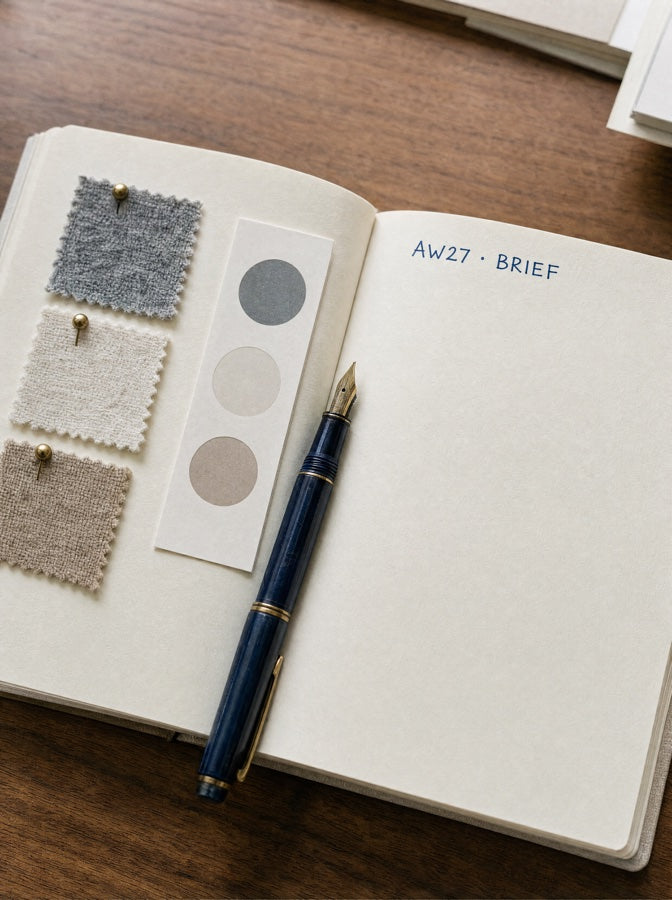 ref. AW27 · merch tier 02
The first conversation
A reference image, a target customer, a price point. We listen, ask the questions you forgot to answer in the brief, and reframe what is feasible against your timeline.
Popular searches


Custom Design · ODM
Design Partnership
Our in-house design team works inside your brief, not adjacent to it. Yarn library, knit programmers, sample loom, finishing — under one roof in Ulaanbaatar. The same designers who consult on the spec are the ones who watch the first sample come off the bed.
Bring a tech pack and we will refine it. Bring a mood board and we will translate it. Bring a single reference photograph and we will work back to a buildable garment.
Project No. 0001
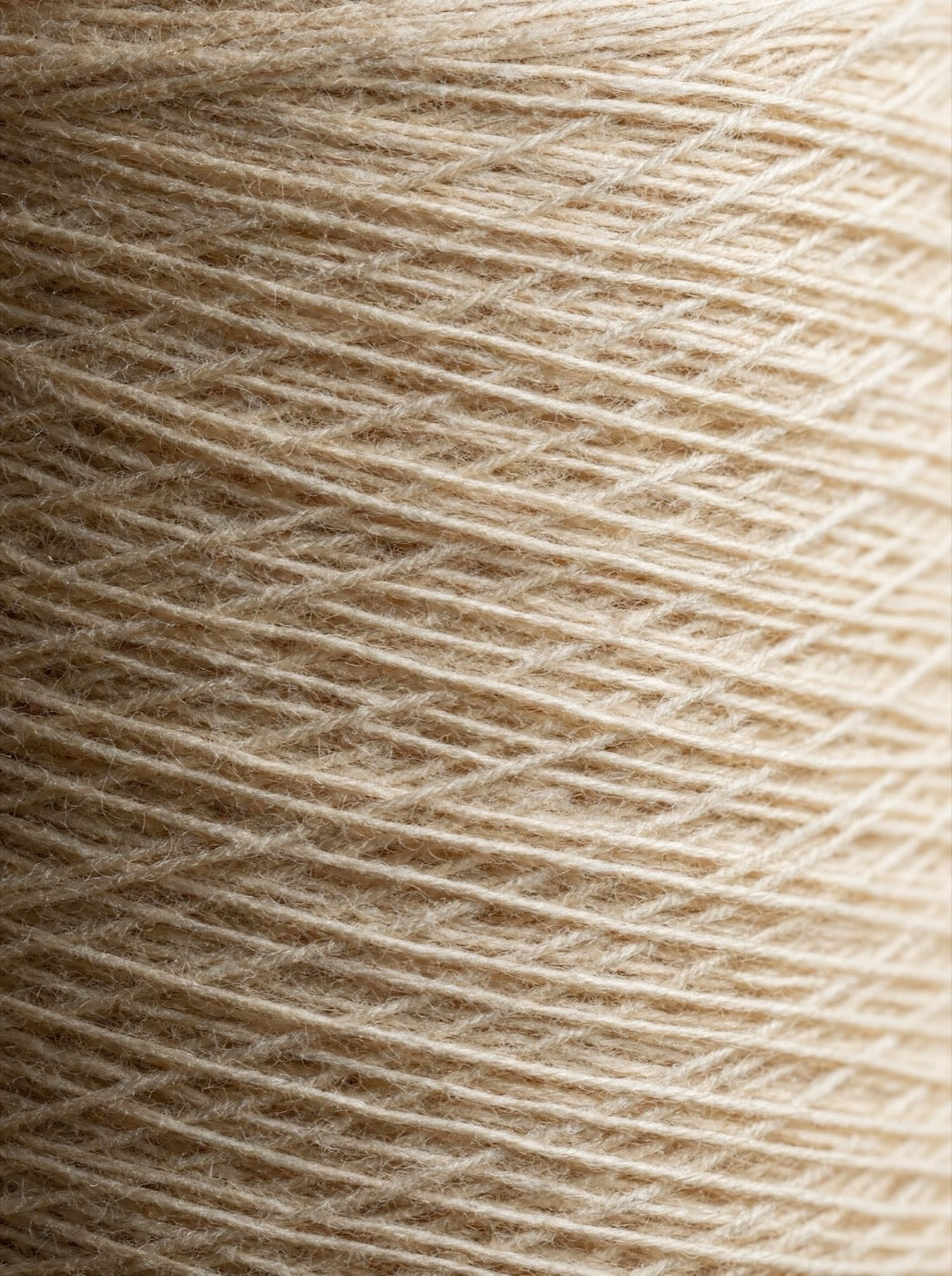
What four weeks of bespoke development actually looks like — pulled from the working notes of a real BSC private-label project. Scroll →
Project No. 0001 · working notebook
Day 01 Brief
ref. AW27 · merch tier 02A reference image, a target customer, a price point. We listen, ask the questions you forgot to answer in the brief, and reframe what is feasible against your timeline.
Day 04 Yarn
 2/26 · 12gg · sand
Cashmere 2/26 in three weights, a camel-wool blend for hand contrast, two natural undyed shades. A working palette before any colour decisions get made.
Day 09 First Sketch
 raglan · 7cm rib hem
Sketch becomes stitch chart. Construction options are weighed: whole-garment versus cut-and-sew, set-in versus saddle shoulder, raglan versus drop. Decisions get made in millimetres.
Day 14 Sample 01
 armhole +1.5cm · rib OK
The sample arrives lightly steamed, photographed flat and on form. Notes are made — armhole drop too tight, neck rib opening up too quickly, hand exactly right.
Day 21 Sample 02 + Approval
 approved 26/04
Second sample with armhole correction and an updated cuff. Side-by-side with sample one for the brand team. Pre-production approved over a single video call.
Day 28 Production
 QC sheet 0001-A
Pre-production sample becomes the gold standard. The order opens on the floor, QC sheet generated, hangtag and label specs released to finishing.
Stitch Library
A working library of constructions our flat, whole-garment, and circular machines produce — combinable into bespoke fabric structures.

The base smooth knit. Drapes well, lightweight, ideal for fine-gauge cashmere layering pieces.

Vertical column structure with elasticity and recovery. Used for cuffs, hems, collars, or full-garment fitted styles.
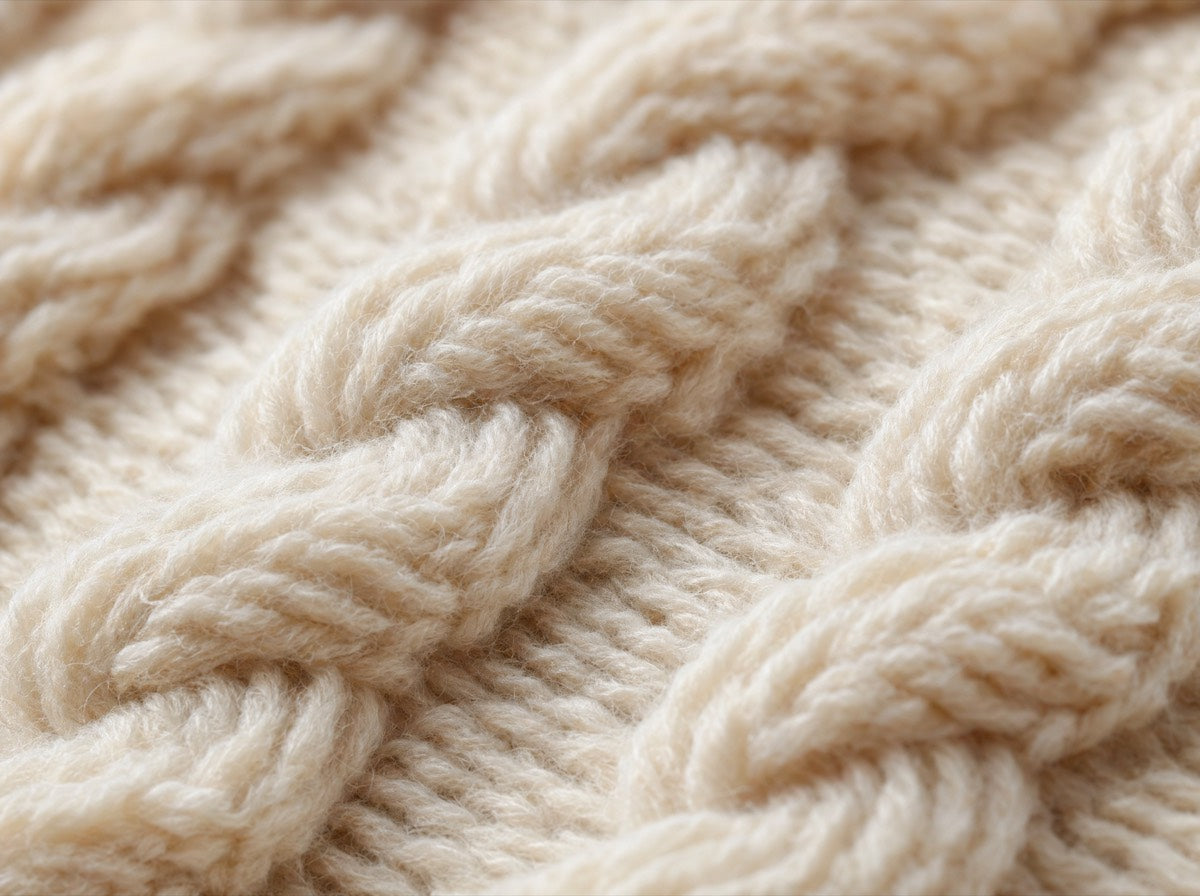
Twisted columns producing rich relief. Heavier hand-feel — signature texture for traditional Aran-influenced knits.
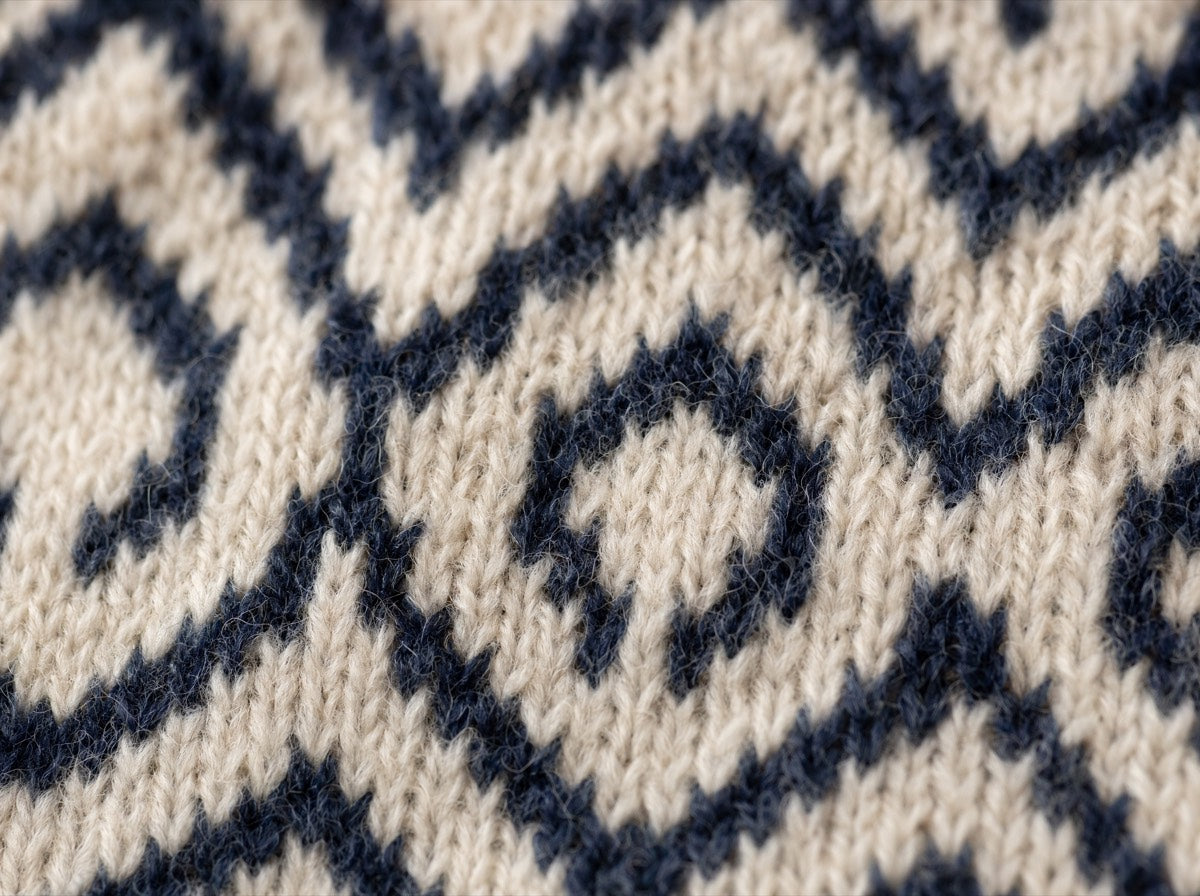
Two or more yarns interchanged across a row to produce repeating motifs, geometric grounds, or branded pattern work.
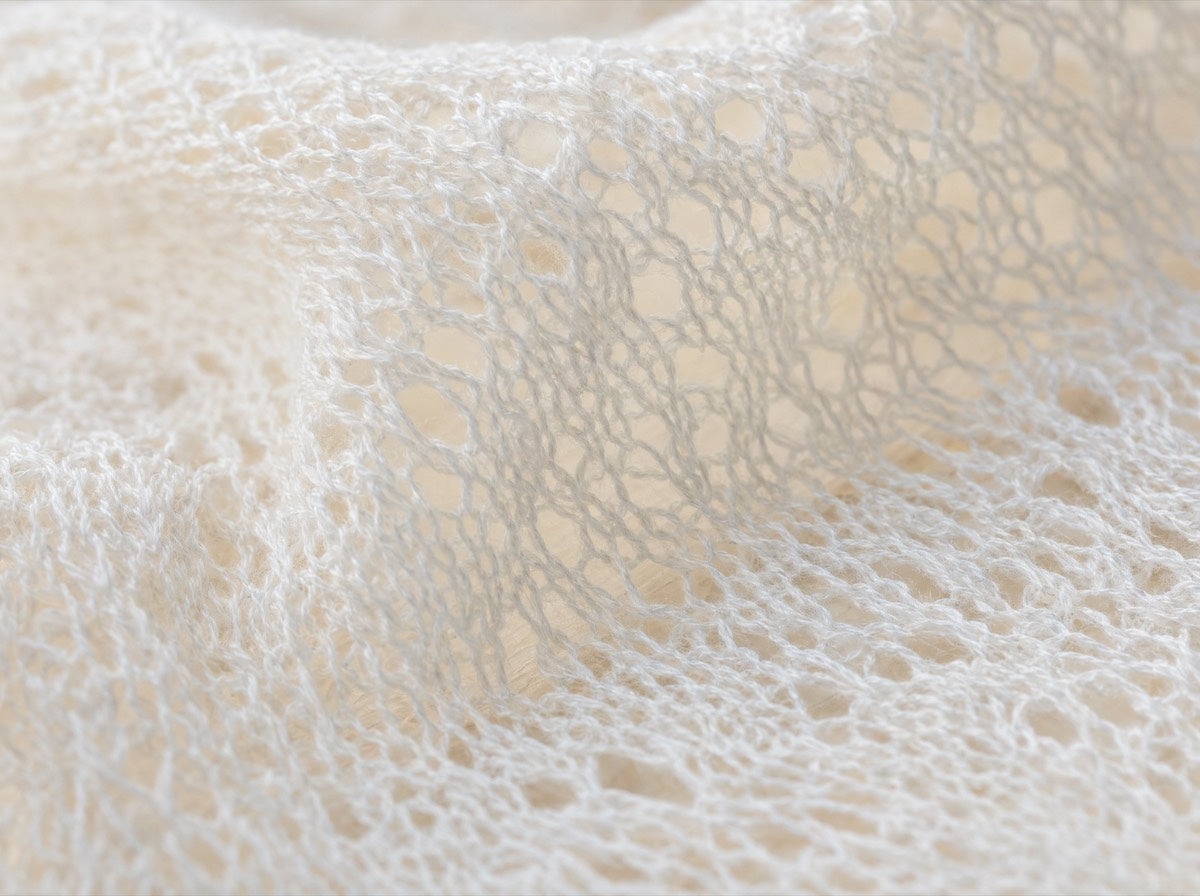
Decorative eyelets formed by transferring stitches. Lighter, lacier hand — used in lifestyle, lingerie, and warm-weather cashmere.
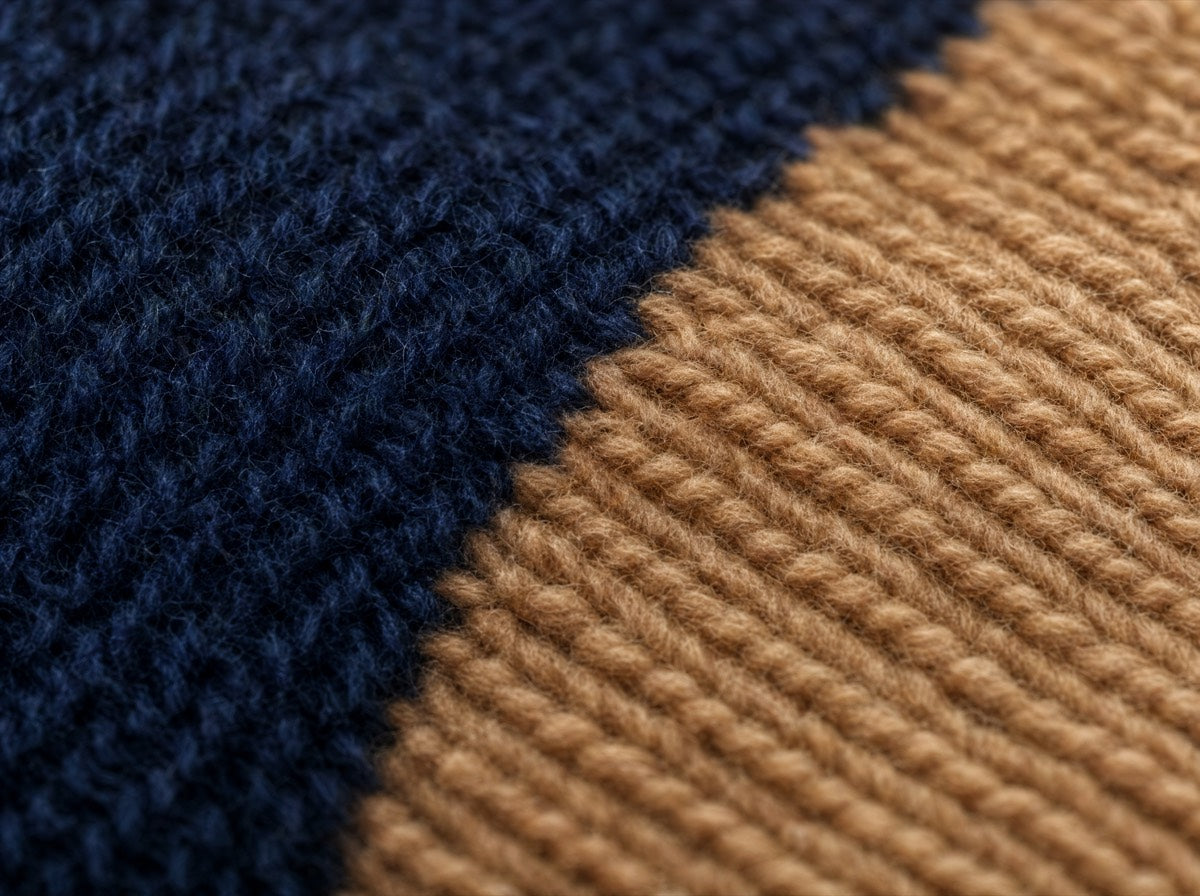
Distinct blocks of colour worked into a single fabric without yarn floats on the back. Clean reverse, sharp blocks.
What we hold
Cashmere, camel, sheep wool — every blend you would specify, sourced and held in-house. No procurement lag between sketch and first sample, and no guesswork about availability.
Our team writes the knit programming themselves. The person sketching your shoulder seam is the same person setting the gauge density on the bed — no translation loss, no third-party programmer.
Stoll flat for cut-and-sew. Shima Seiki for whole-garment. Bentley circular for fabric yardage. We pick the right machine for the construction, not the construction the machine forces on us.
First samples in two to three weeks. Revisions in one. The sample loom sits next to the design table — fit corrections happen the same week they are flagged, not the next quarter.
Tech packs, sketches, colour stories, sample garments — all confidential. Designs are never shared, repurposed, or sold on. NDA on file before development starts, on every project.
Every prototype is tested to production-grade quality control standards before it leaves the floor. The hand-feel of sample one matches the hand-feel of unit ten thousand.
Share your concept at any stage of maturity and we will outline a development plan with timelines, materials, and indicative costing within five working days.