

Capabilities
Production Process
Seven controlled stages from raw fibre to finished product
Every cashmere product we manufacture passes through seven carefully controlled production stages. Each stage is monitored for quality, consistency, and adherence to the standards our partners expect. From the moment raw fibre arrives at our facility to the final packaged product, nothing is left to chance.
Fibre Selection & Sorting
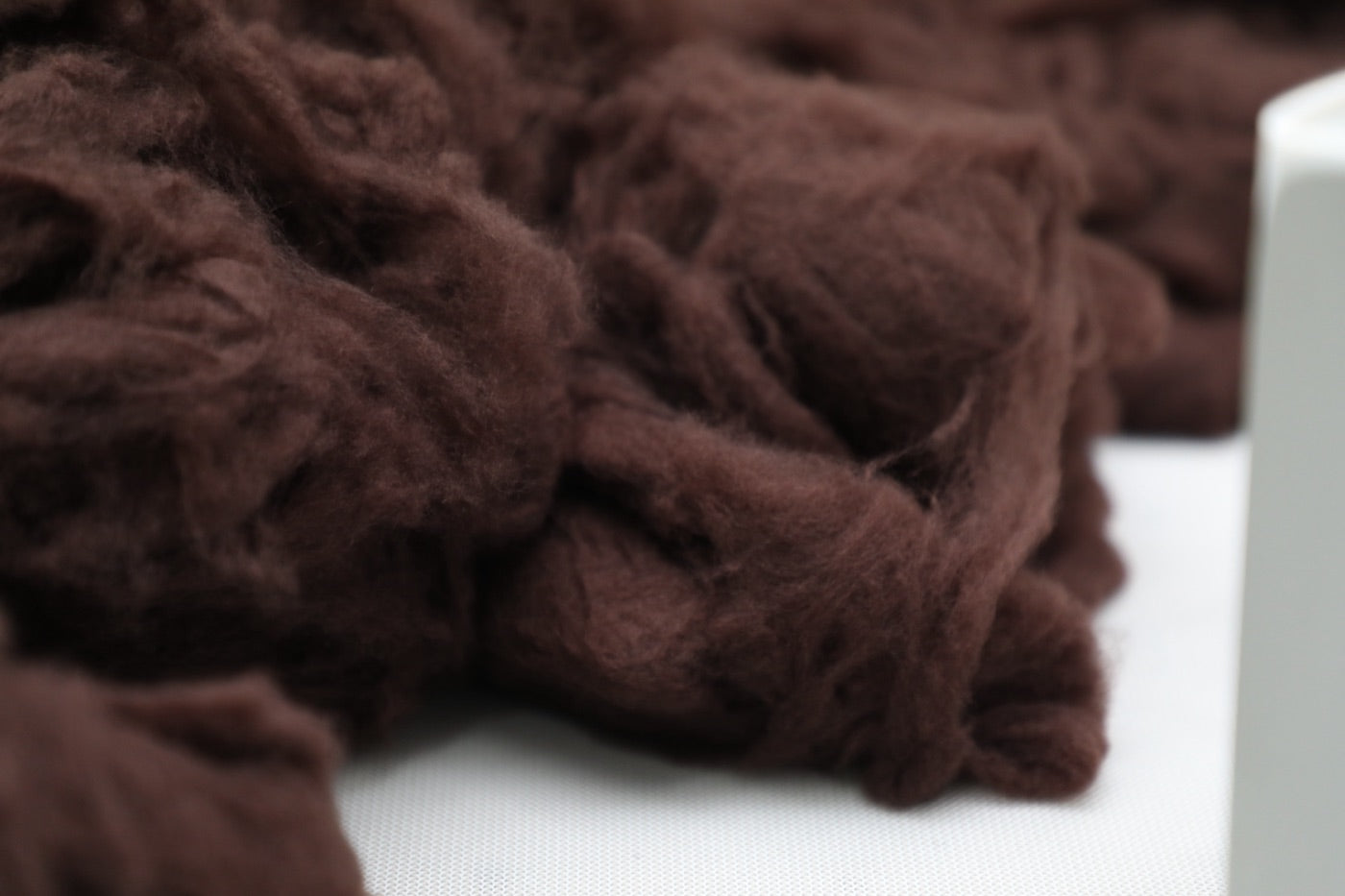
Raw cashmere arrives at our facility directly from Mongolian herding cooperatives. Each batch undergoes rigorous intake assessment to ensure only fibres meeting our quality threshold enter the production line.
- Fineness testing via OFDA micro-count analysis (target 15–16.5 micron)
- Staple length verification for optimal spinning performance
- Colour sorting into natural white, beige, brown, and grey grades
Spinning
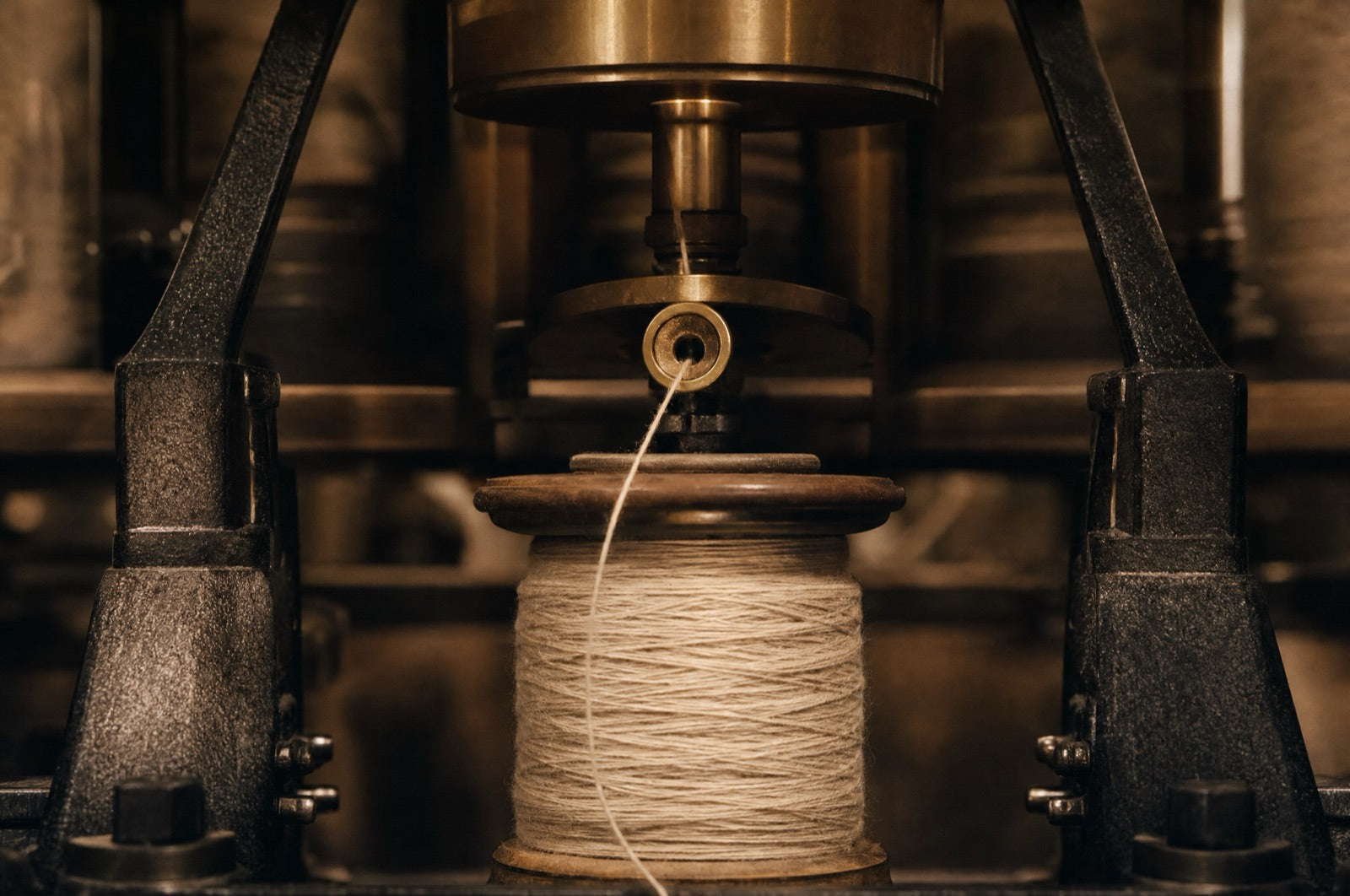
Sorted fibres are processed into yarn across a range of counts and constructions. Our spinning facility handles single-ply and 2-ply yarns, with precise tension and twist control throughout.
- Standard yarn counts: Nm 12/1, 14.5/1, 16/1, 22/2 (sheep wool / camel / yak) · Nm 2/26, 2/28 (cashmere)
- Single-ply and 2-ply constructions across cashmere, sheep wool, camel, and yak
- Continuous tensile strength and evenness monitoring
Dyeing
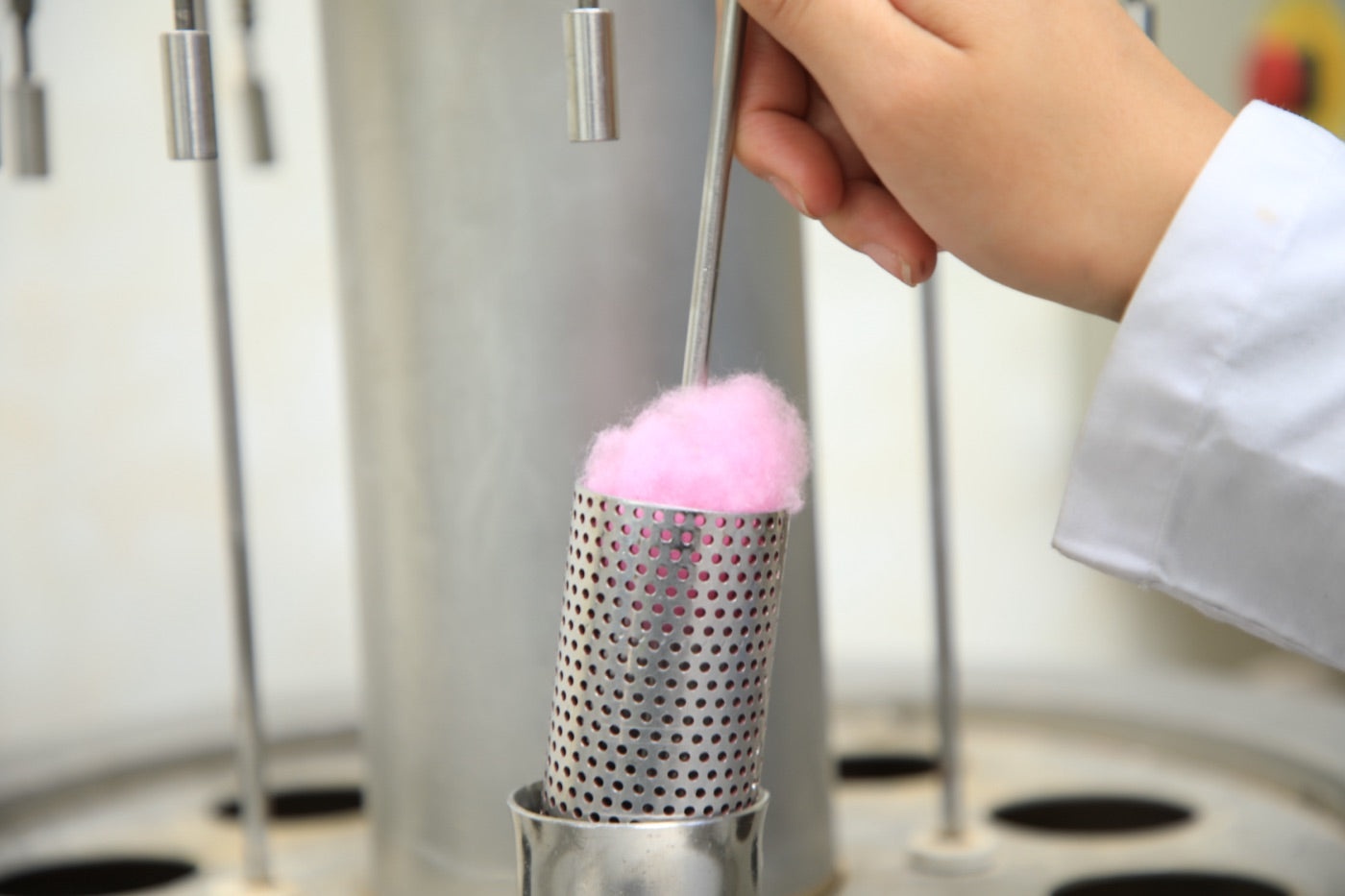
Our on-site dyeing facility offers 63 standard colourways with full custom Pantone matching capability. Carefully-controlled batches ensure colour consistency while minimising fibre stress.
- 63 standard colours plus custom Pantone matching
- 100 kg minimum order quantity per colour for both standard and custom dyeing
- Fibre-protective dye chemistry to preserve handle and softness
Knitting
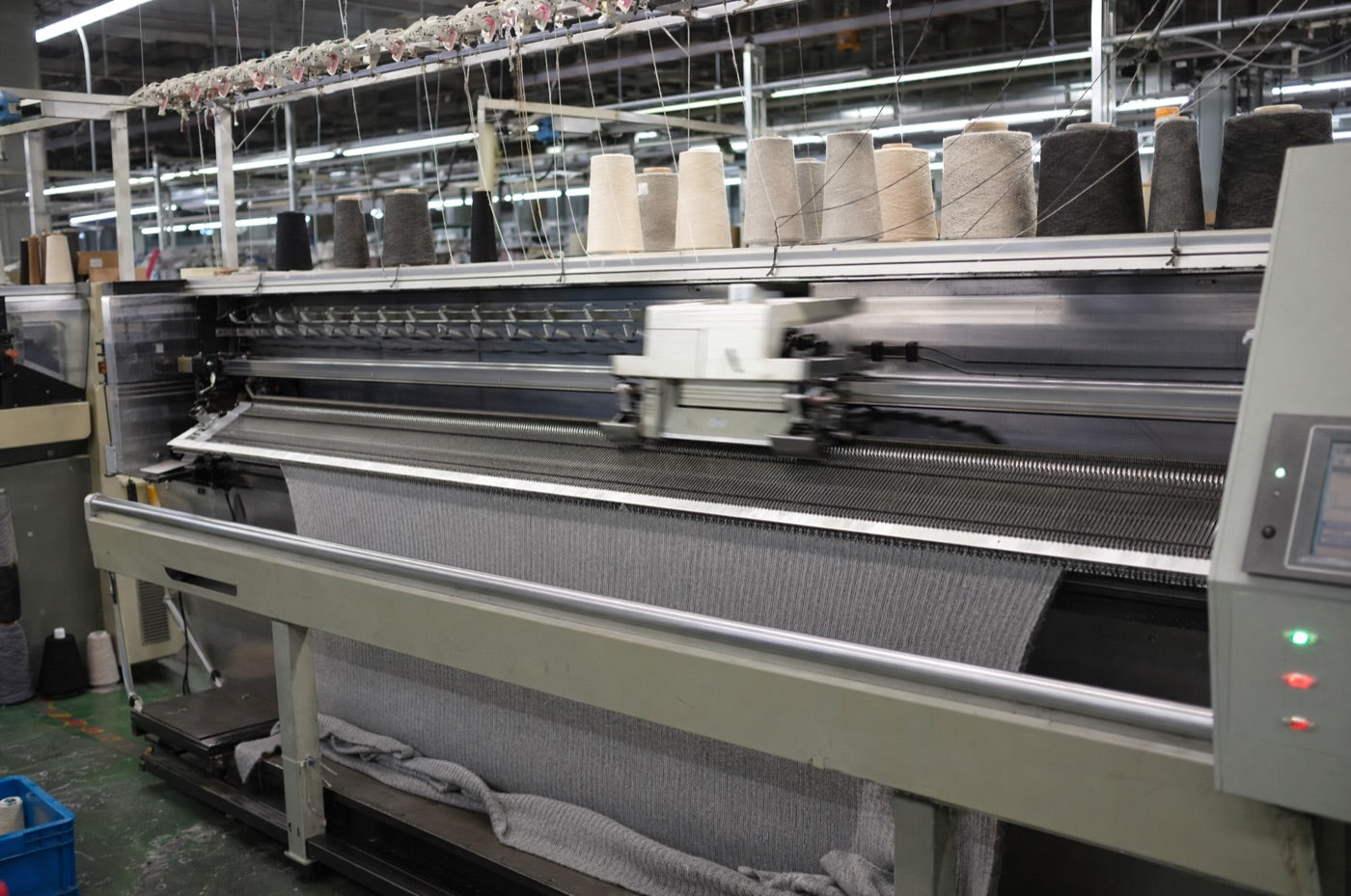
Two specialist platforms cover every knitwear format we produce — from fully-fashioned shaped knits to seamless whole-garment construction. Each machine is calibrated per yarn count to deliver consistent stitch density and tension.
- Stoll flat knitting for fully-fashioned garments and intarsia patterns
- Shima Seiki whole-garment technology for seamless construction
- Gauge range from 5GG to 16GG across cashmere, sheep wool, camel, and yak
Weaving
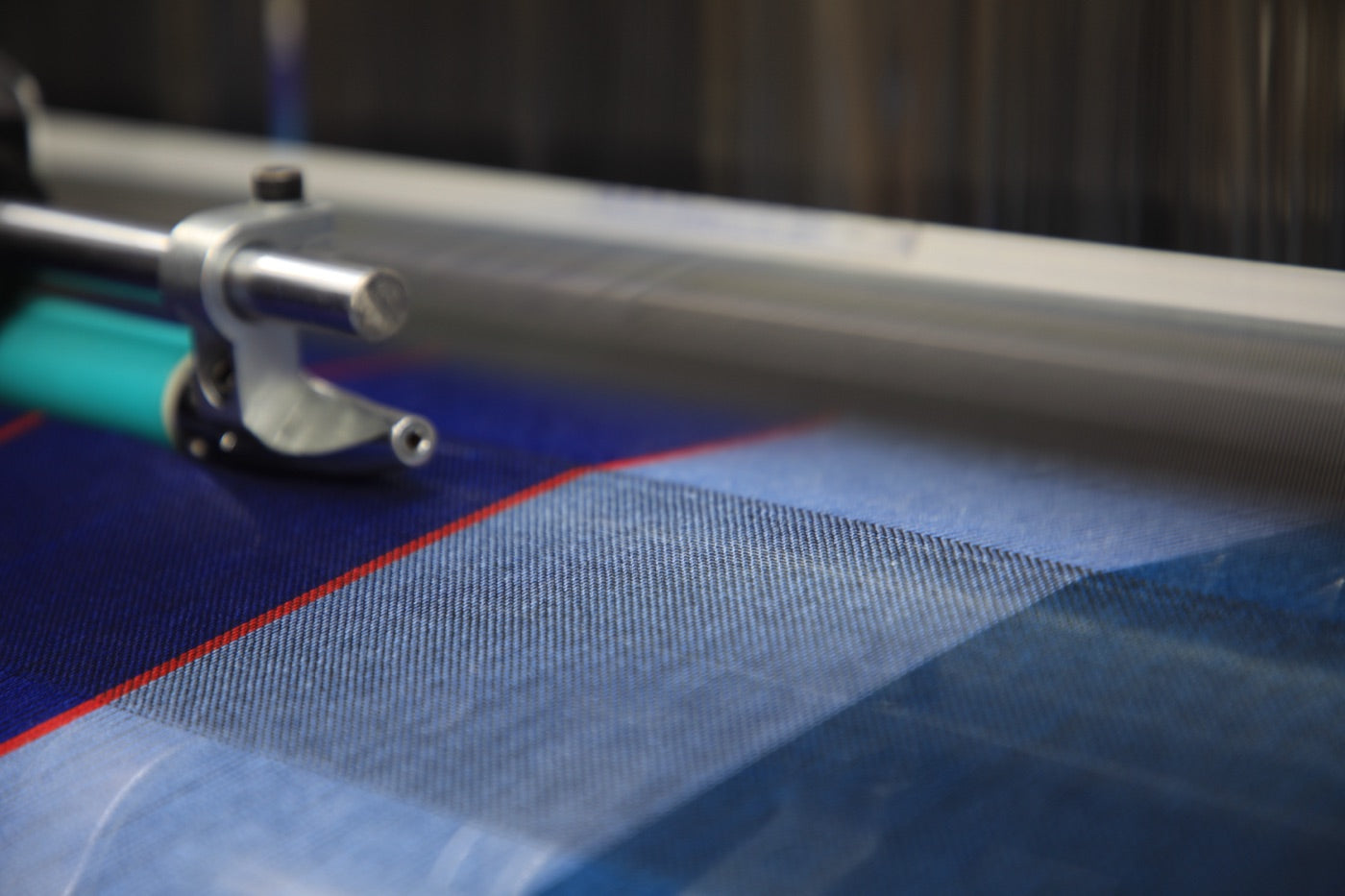
Our weaving floor produces the woven fabrics that knitwear can't deliver — shirting, throws, blankets, and structured upholstery. Each loom is dressed for the project at hand, with warp tension and reed selection matched to the weight class.
- Shirtings, jerseys, twills, and double-cloth throws across cashmere and blends
- Widths from 120 cm to 150 cm depending on construction
- Warp preparation, weaving, milling, and finishing all under one roof
Quality Control
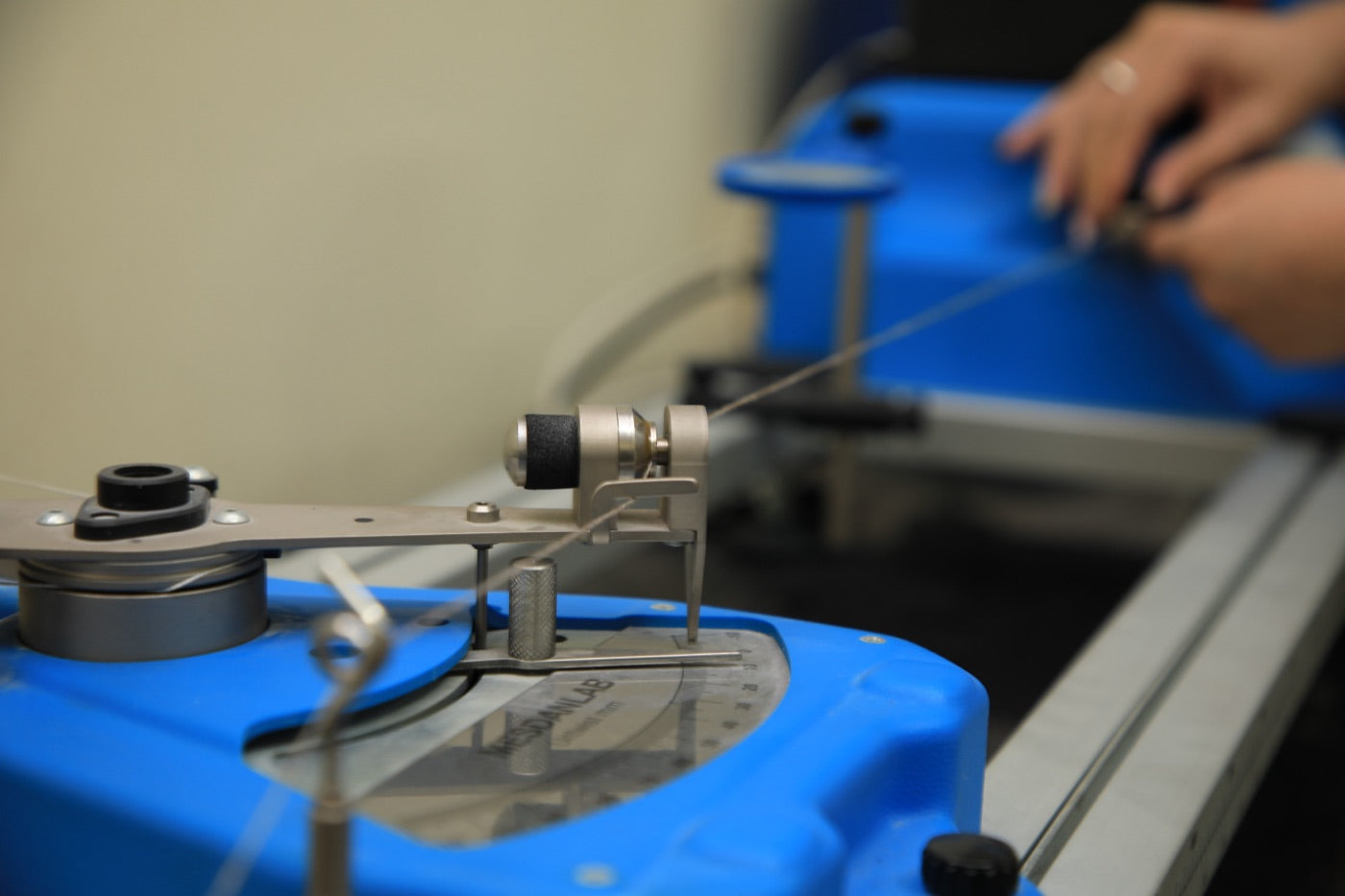
Every product undergoes a comprehensive testing protocol before it is approved for finishing. Our QC procedures are aligned with international textile testing standards and MNS 6926:2021 requirements.
- Colorfastness testing: wash resistance, light exposure, and rubbing
- Dimensional stability and shrinkage measurement after washing
- Final visual inspection for defects, stitch uniformity, and construction accuracy
Finishing & Packaging
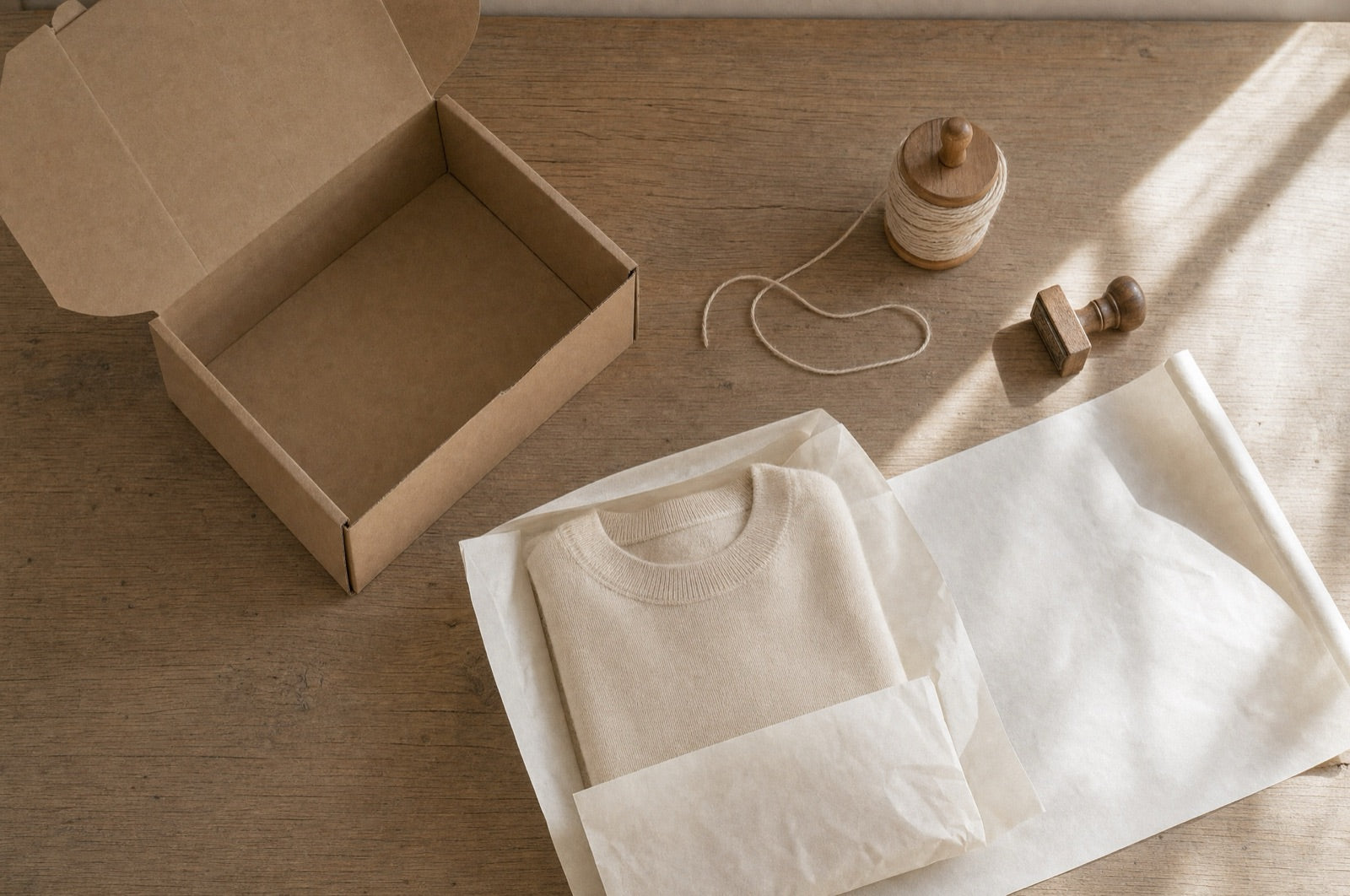
Approved products receive final finishing treatments, labelling, and packaging. We offer complete private-label finishing with responsibly sourced packaging materials as standard.
- Wet finishing — fulling and washing on Zonco lines to mill and scour the knit and build density and softness, with Corino open-width handling moving the cloth at minimal tension
- Dry finishing — raising and sueding on Lafer, raising and shearing on Mario Crosta — lifting and levelling the surface to its final nap
- Decatizing and setting on KD Biella to fix the cashmere’s lustre, hand, and dimensional stability
- Steaming and pressing to final hand-feel, custom labelling (brand, care, composition), and responsibly sourced packaging
Discuss Your Project
Our production team is ready to walk you through each stage and tailor a manufacturing plan for your brand.